
The Team Behind Surgical Care
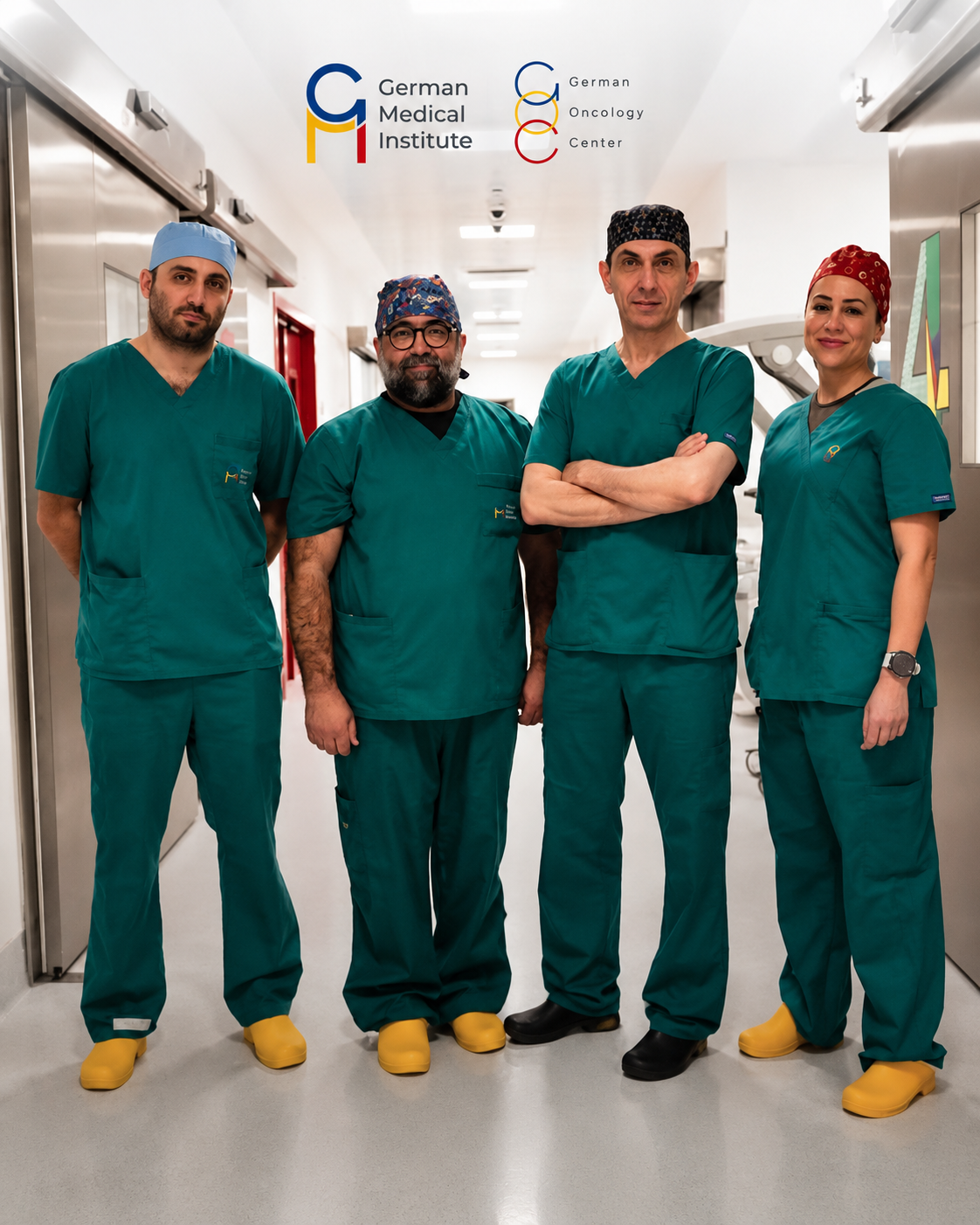
Surgical care involves a team before, during and after an operation. At the German Medical Institute, I work with fellow surgeons, anesthesiologists, nurses and colleagues in oncology, radiology and other relevant specialties. Each contributes a different perspective to assessment, preparation, treatment and recovery.
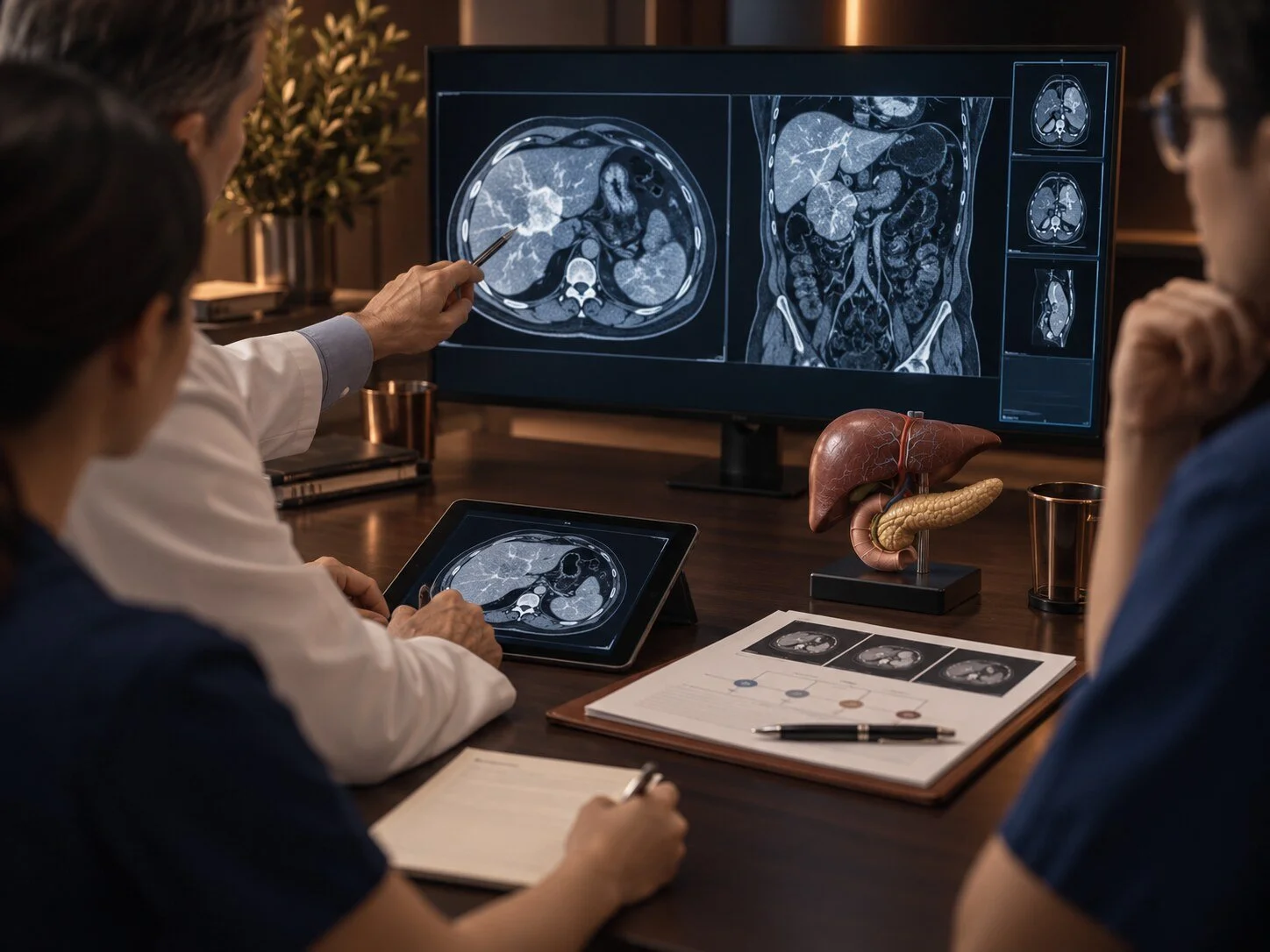
Multidisciplinary review is an established part of cancer care. By bringing imaging, pathology, clinical findings and treatment guidelines into one discussion, the team can consider the available evidence alongside each patient’s health and preferences. This supports coordinated planning and informed decisions; recommendations are then discussed with the patient, whose participation remains central.
Athanasios Petrou has been my mentor and a formative influence on my development as a surgeon. Working alongside him in HPB and surgical oncology has shaped how I approach preparation, clinical judgment and shared responsibility. The emphasis on discussing difficult decisions, learning from colleagues and continuing to develop professionally remains an important part of my daily practice.
Specialist Surgical Care
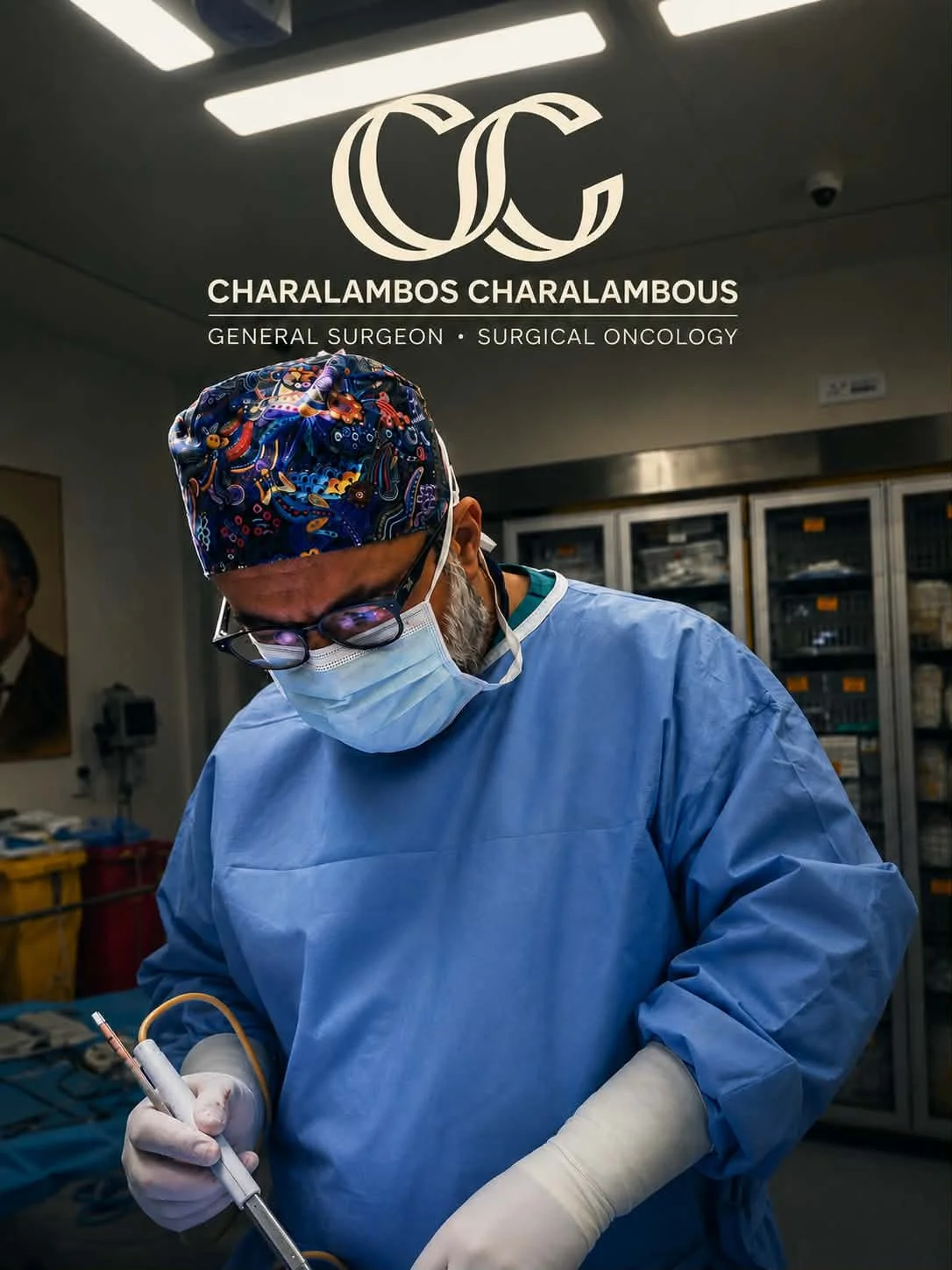
Charalambos Charalambous is a Consultant General Surgeon whose clinical practice includes surgical oncology, abdominal surgery and gastrointestinal cancer surgery.
Assessment and treatment planning consider the diagnosis, the patient’s health and preferences, and multidisciplinary discussion where appropriate.
Select a topic below to expand its description.
-
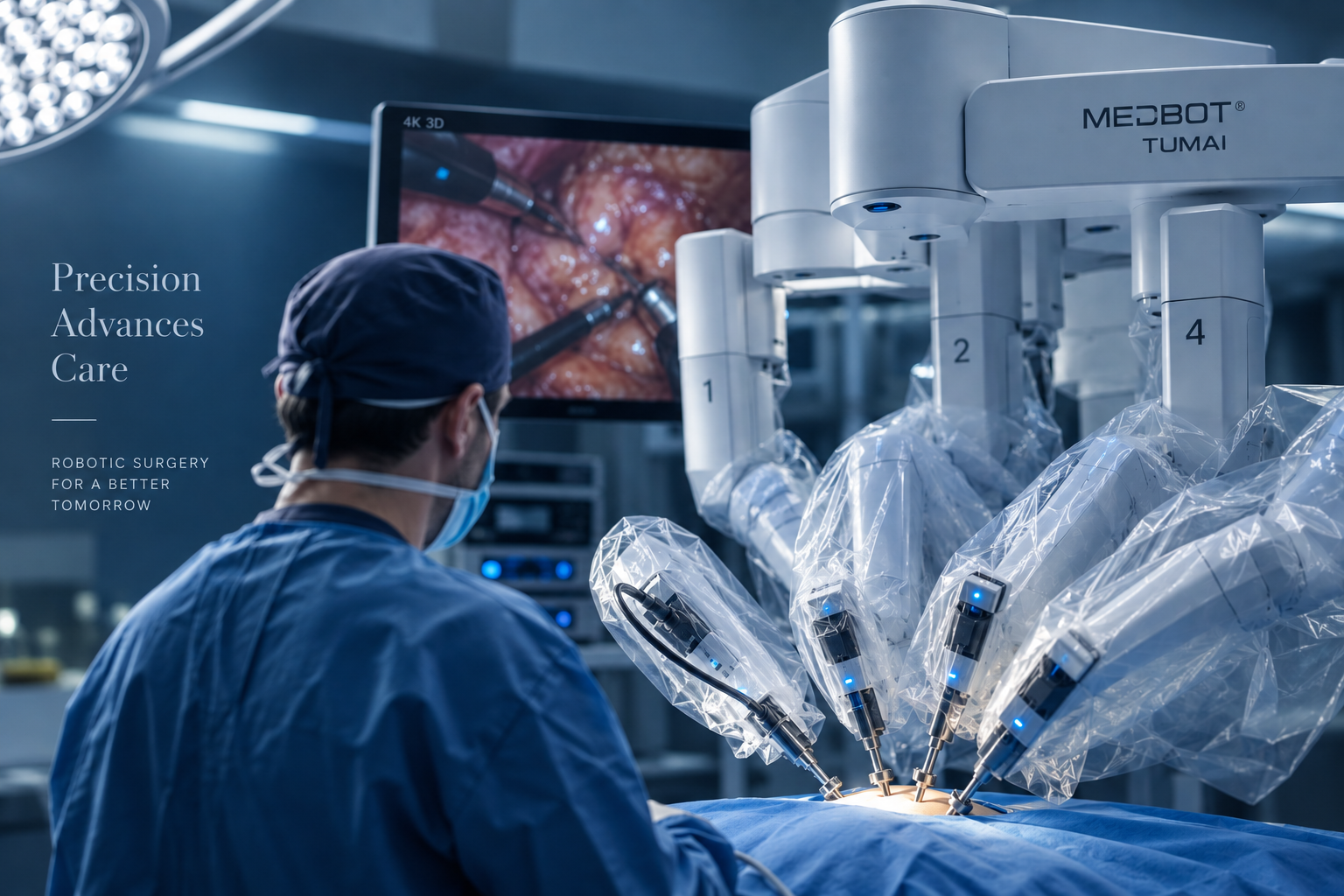
Robotic surgery uses instruments controlled by the surgeon through a console. Suitability depends on the condition, the planned procedure and individual assessment. Benefits, limitations, risks and alternative approaches are discussed during consultation.
-
Laparoscopic surgery uses a camera and instruments introduced through small incisions. Suitability depends on the condition and the operation required. The proposed approach, alternatives, possible conversion to open surgery and recovery are discussed individually.
-
Assessment of abdominal conditions that may require complex or repeat surgery. Imaging, previous operative records, nutrition and general health inform planning. Consultation considers the expected benefit, limitations, alternatives and support needed during recovery.
-
Assessment of groin, umbilical, incisional and recurrent hernias. Options may include observation or repair, depending on symptoms and hernia type. The operative approach, use of mesh, possible complications and recurrence are discussed before treatment.
-
Assessment of colorectal cancer and benign bowel conditions, including diverticulitis, polyps and strictures. Investigations and multidisciplinary review guide treatment. Where surgery is indicated, discussion includes bowel function, possible complications and whether a stoma may be needed.
-
Assessment of benign and malignant conditions of the liver, pancreas, gallbladder and bile ducts. Imaging and other investigations guide consideration of monitoring, nonsurgical treatment or surgery, with multidisciplinary input where appropriate.
-
Assessment of gastric and gastroesophageal disease, including cancer and gastrointestinal stromal tumors. Treatment depends on the diagnosis and stage. Surgery may form part of a wider plan that includes medication, nutritional support and follow-up.
-
Assessment of abdominal and retroperitoneal sarcomas through imaging, pathology and multidisciplinary discussion. Treatment planning considers the tumor subtype, its relationship to adjacent organs, the possible extent of surgery and other treatment options.
-
Cancer treatment planning considers pathology, imaging, disease stage, general health and personal preferences. Surgical and nonsurgical options are discussed with relevant specialists and then with the patient before treatment decisions are made.
Assessment & Treatment Planning
Assessment and treatment planning begin with a careful review of the medical history, clinical findings and available investigations. Imaging, pathology and laboratory results are considered together to clarify the nature and extent of the condition and to define a realistic treatment goal.
For complex or cancer-related conditions, planning may involve multidisciplinary discussion with radiologists, pathologists, medical and radiation oncologists, gastroenterologists, anesthesiologists and other relevant specialists. The discussion considers not only whether surgery is appropriate, but also the best sequence of surgery, systemic therapy, radiotherapy or interventional radiology when these have a role.
The choice between an open, laparoscopic or robotic approach is individualized according to the diagnosis, anatomy, extent of surgery, previous operations and the patient’s overall health. Technology may support precision and operative execution, but it does not replace clinical judgment and is not suitable for every case.
Before major surgery, nutritional status, anemia, physical condition, other medical problems and anesthetic risk are also assessed. Additional investigations, preoperative optimization and support from the appropriate teams are arranged when needed.
The proposed plan is explained together with the alternatives, expected benefits, important risks, possible functional effects and anticipated recovery. The possibility that the original plan may need to change in response to operative findings or the course of disease is also discussed. Each patient’s values and preferences remain an essential part of shared decision-making.
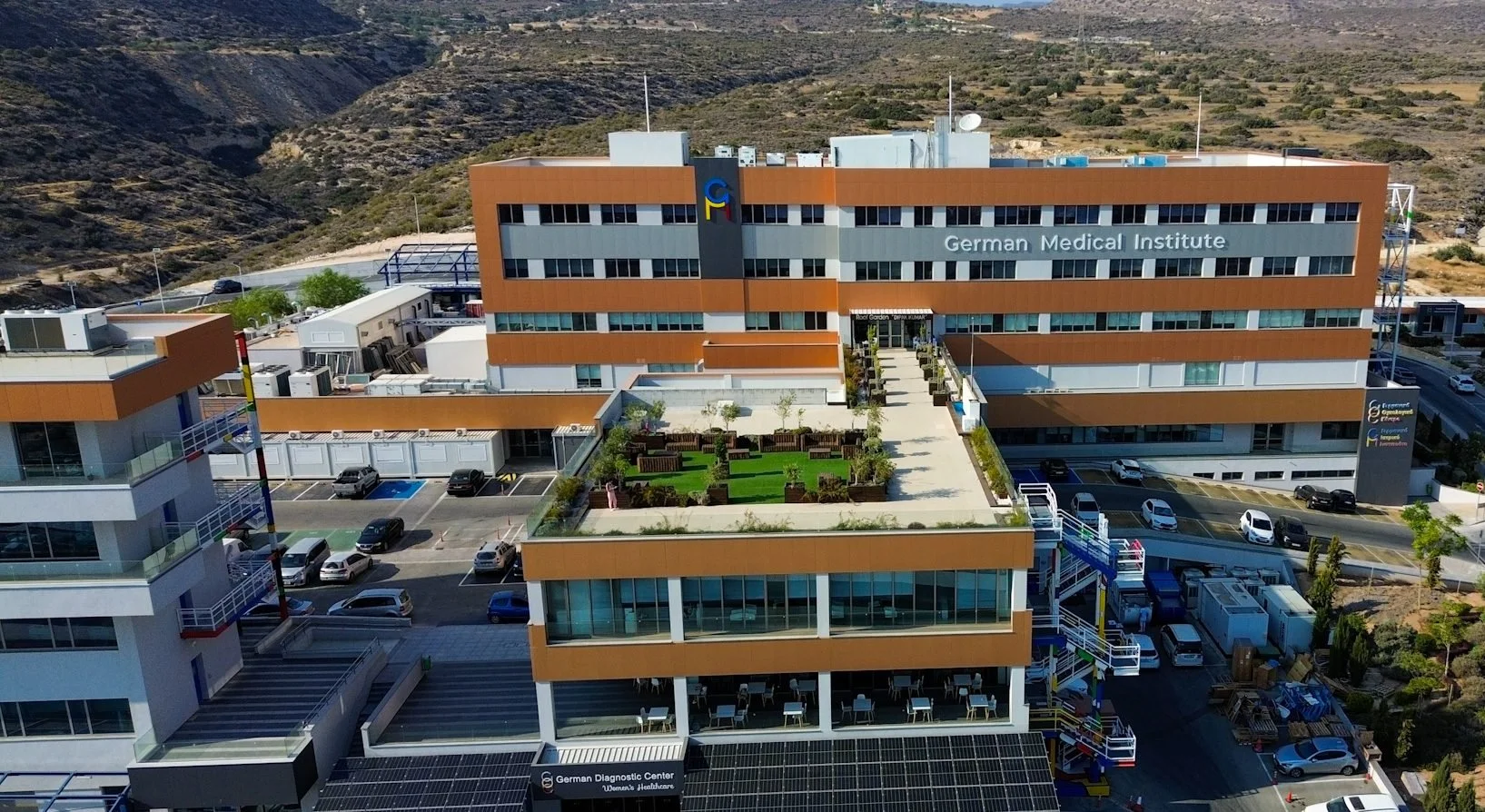
This website provides general information and does not replace individualized medical advice.Clinical practice is based at the German Medical Institute in Limassol, with access to operating rooms, diagnostic imaging, intensive care and interventional radiology.
The choice of an open, laparoscopic or robotic approach depends on the condition, the proposed procedure and individual assessment. The potential benefits, limitations, risks and alternatives are discussed before treatment.
Where appropriate, treatment planning involves specialists in oncology, radiology, anesthesiology and other disciplines.
This website provides general information and does not replace an individual medical consultation.
Professional Society Memberships


Your Consultation
Private and GeSY consultations are available at the German Medical Institute in Limassol.
☎ +357 25 208265
✉ charalambos.charalambous1@goc.com.cy
Working Hours: Monday – Friday, 08:00 – 16:00